
-p-1080.jpg)

So you’ve gathered together a unique and valuable, big and beautiful, dataset. You’ve cleaned it, analysed it and built a predictive model that will solve a grand challenge for which solutions were previously inextricable. Yet some questions remain which data cannot be the sole answer for. You need to answer the classic “five Ws and one H” before you can publish your work.
And not just any “five Ws”. You must know who you are creating for, how will they find out about your insights, and why will they trust you? The answers to these will depend on “when will you involve them in your research?”, and “where will you connect with them?”.
These questions have always been important: failure to answer them is what leads to large volumes of research to be quickly archived and never read. As we enter an era where everyone can get a quick - if not necessarily accurate - data analysis by asking a question of automation tools such as generative AI, failure to take your audience into account will lead your work to irrelevance.
These questions sit at the heart of much of Africa Data Hub’s work, because a lot of our work is conducted through partnerships with news media organisations. Over the last few years, they have learned that developing a meaningful relationship with their audience is an existential question that is critical to building trust and, in most cases, sustainable revenue. The same is true for data journalists, data communicators and data scientists.
The main topic of discussion
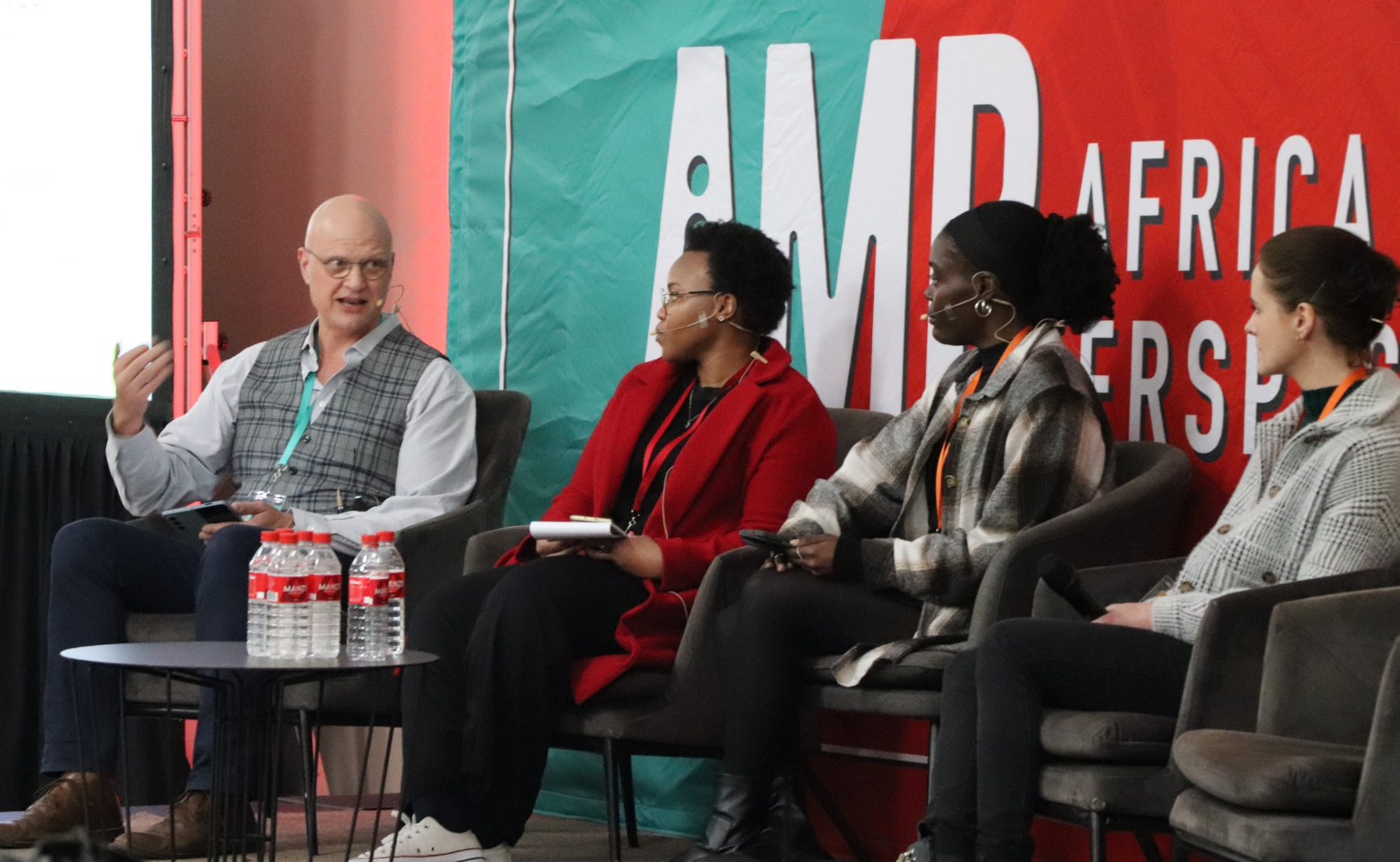
These questions were the core of conversations between news media professionals from all over the world at the recent Africa Media Perspectives festival in Cape Town, where OpenUp and Africa Data Hub hosted a panel discussion on the use of climate and health data to build accuracy and trust through innovative reporting. Inspired by a series of stories published by Food for Mzansi, which OpenUp co-wrote and supported with data expertise, we wanted to share our learnings from this project and others we have been involved with.
The ongoing series, Climate Change: Fields of Uncertainty, is a partnership in which Food for Mzansi’s award-winning team of reporters investigate emerging issues relating to climate and health, using the analysis and visualisation of OpenUp’s data experts to press home salient points.
Over the course of publishing, one thing has become very clear. The audience do not reward hard work and striking infographics for their own sake. Food for Mzansi’s primary readership is South Africa’s agricultural sector, for whom they provide a pivotal service, bringing the farming community, government, media and more together through publishing activities and events. Stories which were of interest to the journalists and OpenUp team, but not highly relevant to the audience, performed very differently to those which addressed clear needs. A look at the ways in which creating more green spaces in our cities can mitigate the effects of rising temperatures, as well as improve physical and mental health and promote urban farming, felt important, because it is. But to the audience, direct discussion of the impact of flooding on meat prices, or how peers are adapting to climate change by altering their herd make-up, were much more relevant and, therefore, better read.
The challenge for media is a challenge for all of us
The rapidly realised fear for news media is that GPT-powered text automators such as ChatGPT, Google Gemini, Microsoft Copilot et al have created an existential crisis for news publishers with a pincer attack on their business model. On the left flank, referrals from search engines are vanishing as Google users get adequate if not amazing (or entirely accurate) answers above the old blue links. The old business model was predicated on large audiences delivering large numbers of views for large numbers of readers - many of whom started their session at Google’s homepage.
On the right flank, meanwhile, an internet full of algorithmically generated text, images and audio creates a lot more noise for news publishers to be heard through. Earlier this year, online data and SEO experts at AHREFS noted that 74.2% of all new web pages published in April contained LLM-generated content.
Clickbait no longer cuts it. Over and again, AMP speakers from South Africa, Namibia, the US, UK and Kenya repeated the message: to survive news media has to know who it is creating for and why. Food for Mzansi understand this, which is why they are thriving in a tough media market.
The same is true for everyone who works with data, and for the same reasons. Just as with the changing business model for media, it’s getting harder to find funding and support for data projects too. Connecting projects outputs to audience needs becomes just as existential a question for climate work as it does for the New York Times.

.png)


